
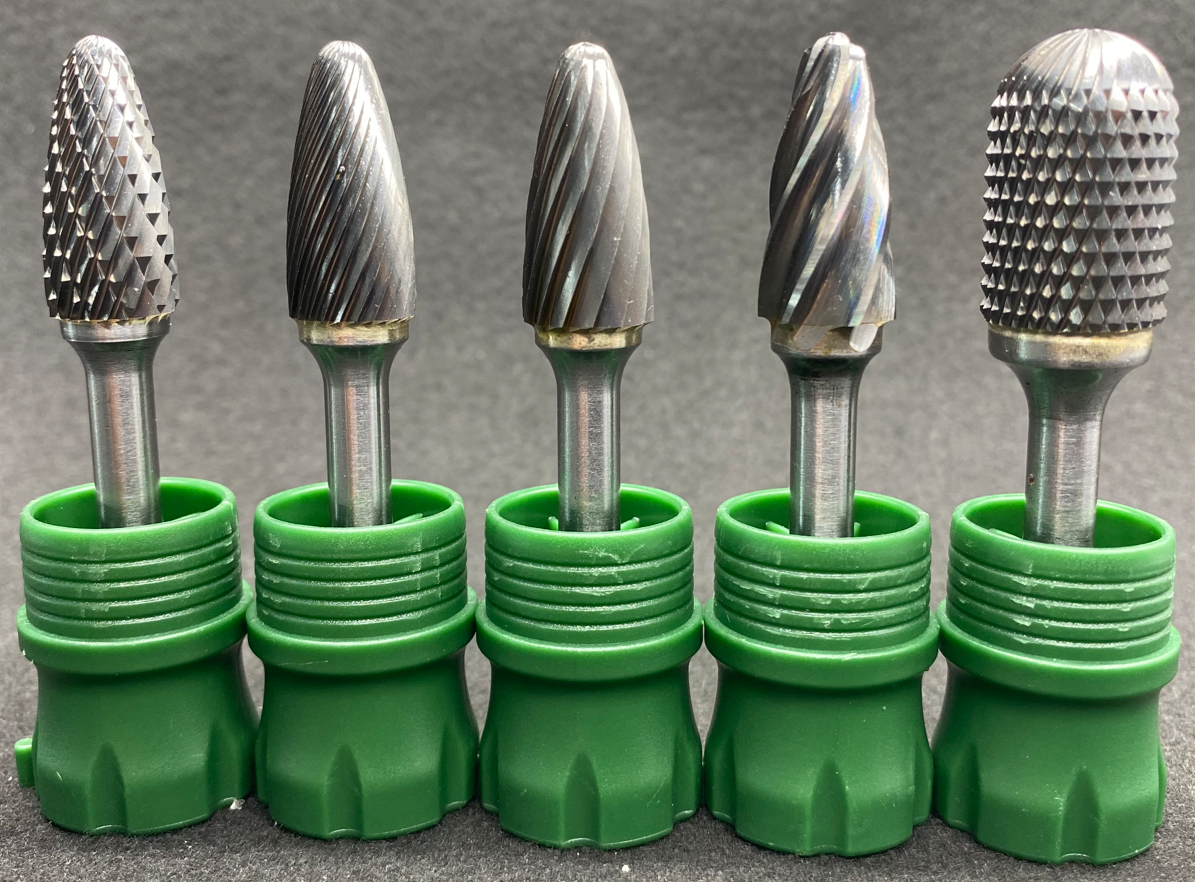
Carbide burrs are essential rotary tools widely used across industries such as metalworking, woodworking, automotive, aerospace, and dental laboratories. Their primary function is to cut, shape, grind, and remove sharp edges, burrs, or excess material from hard surfaces. Understanding the **cut types of carbide burrs** is vital for achieving optimal results, prolonging tool life, and enhancing project efficiency. In this comprehensive guide, we’ll introduce all major cut types of carbide burrs, their best uses, and tips on selection, making it an ideal resource for professionals and DIY enthusiasts alike.
What Are Carbide Burrs?
Carbide burrs are manufactured from hard tungsten carbide and are designed to be mounted onto rotary tools like die grinders. Thanks to their robustness and wear-resistance, they outperform other similar tools made of HSS (high-speed steel). Carbide burrs come in various shapes—cylindrical, oval, flame, ball, conical, and more—to suit diverse application needs.
Why Cut Types Matter
The **cut type** refers to the pattern or arrangement of the teeth on the burr’s head. Different cut geometries influence the tool’s aggressiveness, chip size, surface finish, and material compatibility. Choosing the right cut ensures efficient material removal, smoother finishes, and reduces the risk of workpiece burning or tool clogging.
All Cut Types of Carbide Burrs
1. Single Cut (Right-Hand Spiral)
The single cut is characterized by one set of spiral flutes running up the burr. It is ideal for general-purpose metal removal, producing long chips.
Best For:
– Ferrous metals (mild steel, stainless steel)
– Deburring
– Surface preparation
– Removal of sharp edges and weld splatter
Advantages:
– Fast stock removal rate
– Leaves a smooth finish
2. Double Cut (Cross Cut or Diamond Cut)
The double cut features two intersecting sets of flutes, producing small chips for better control and less vibration.
Best For:
– Hardened steel, stainless steel
– Non-ferrous metals (aluminum, copper, brass)
– Engraving, fine detail work
– Wood, plastic
Advantages:
– Higher material removal with better control
– Produces finer finishes
– Reduces chip size and tool loading
3. Aluminum Cut (Single & Wide Flute)
Aluminum cut burrs have single, large, and widely spaced flutes. This geometry resists clogging and allows for unobstructed chip flow when working with soft, sticky metals.
Best For:
– Aluminum
– Non-ferrous metals
– Plastics
– Softwood
Advantages:
– Prevents loading
– Very aggressive cut
– Fast material removal
4. Diamond Cut
Diamond cut burrs are similar to double cut but with finer, diamond-patterned flutes. They provide exceptional surface finishes and are preferred for high-precision applications.
Best For:
– Fine engraving
– Mold and die finishing
– Tile, ceramics
Advantages:
– Superior surface quality
– Suitable for precision applications
5. Coarse Cut
Coarse cut burrs have fewer, larger flutes for aggressive cutting and heavy stock removal.
Best For:
– Large material removal
– Preparation for finishing
Advantages:
– Quicker removal
– Less finesse, more power
6. Fine Cut / Extra Fine Cut
Fine and extra fine cut types are meant for smoother finishing work, with many closely spaced teeth.
Best For:
– Final finishing
– Material surfaces where smoothness is crucial
Advantages:
– Minimal scratches
– Smoothest finish obtainable with burrs
7. **Specialty Cuts (Chipbreaker, Flame Point, etc.)
Some carbide burrs feature custom flute designs (e.g., chipbreaker cuts) or unique head shapes for specific tasks such as reducing heat, cutting hard plastics, or intricate profiling.
Best For:
– Industry-specific applications
– Specialized finishing tasks
Quick Reference Table
| Cut Type | Material Fit | Main Application | Chip Size |
|——————-|———————|————————|—————|
| Single Cut | Steel, Iron | Deburring, Stock Removal | Large |
| Double Cut | Steel, Aluminum | Smooth Finish, Detail | Small |
| Aluminum Cut | Aluminum, Plastic | Aggressive Removal | Large |
| Diamond Cut | Steel, Ceramic | Engraving, Polishing | Very Fine |
| Coarse Cut | All | Rough Cutting | Large |
| Fine Cut | All | Polishing, Finishing | Very Fine |
How to Choose the Right Cut Type
1. Material to Be Cut: Hard ferrous metals favor a double cut; aluminum and soft metals require wide, open flutes.
2. Desired Finish: Finer cuts deliver smoother finishes; coarse and aluminum cuts are for rapid removal.
3. Application: For engraving or delicate shaping, choose diamond or fine cuts; for rapid bulk removal, single or coarse cut.
FitCarbidePro.com – Your Trusted Carbide Burr Supplier
At [FitCarbidePro.com](https://fitcarbidepro.com), we provide the full range of carbide burr cut types to suit every project—industrial-scale or DIY. Explore our extensive catalog, benefit from expert advice, and elevate your work with precision-engineered carbide burrs.
Conclusion
Selecting the right carbide burr cut type transforms your rotary tool into a high-precision workhorse. Now that you understand all the main cut types—from single and double cut to specialty burrs—choosing the perfect tool for your application is easier than ever. Always use protective gear, operate at proper speeds, and source your burrs from a trusted supplier. For more insights and top-quality rotary tool accessories, visit [FitCarbidePro.com](https://fitcarbidepro.com).
Interested in learning more or need a custom burr recommendation? [Contact Us](https://fitcarbidepro.com/contact) today!
