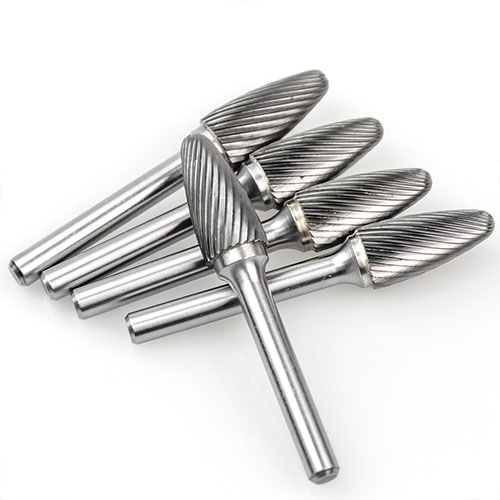
Tired of your carbide burrs wearing out too fast? This leads to unhappy customers and costly replacements. The secret isn't just cleaning; it's choosing the right burr from the start.
The best way to maintain carbide burrs is to use the correct speed and light pressure, clean them after each use with a brass brush, and store them properly. However, the most crucial step is selecting a high-quality burr, which drastically reduces maintenance needs and extends its life.
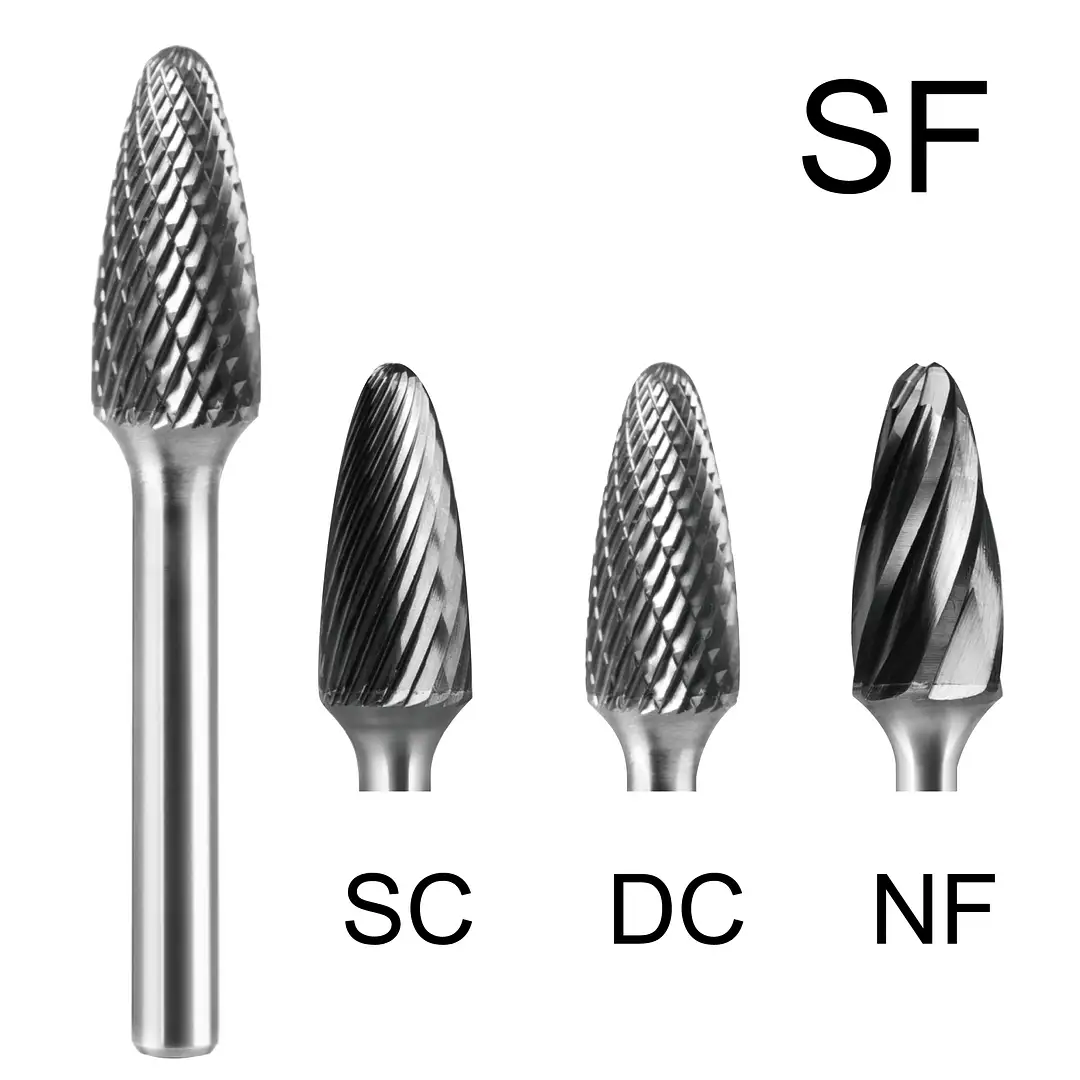
You might think all carbide burrs are pretty much the same. I used to think that, too. But I learned that tiny details in how they are made can make a huge difference. These details affect how long they last and how happy your customers will be with their purchase. It really all starts with the quality you choose to stock. So, what specific features should you look for to save money and effort in the long run? Let's break it down.
How Does a Fully Cut Head Affect Burr Performance and Lifespan?
Are your customers complaining about burrs that can't reach tight corners or do detailed work? This limitation frustrates users and can lead to returns. A burr with a fully cut head solves this problem.
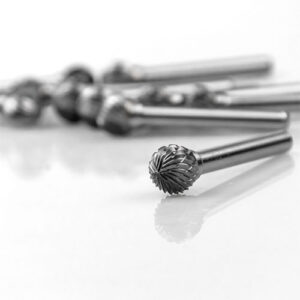
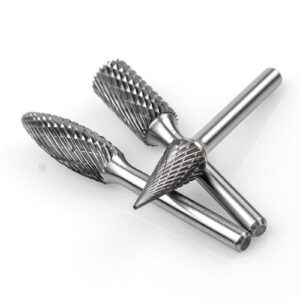
A burr with cutting flutes that go all the way to the top allows for detailed work and plunge cuts without a "dead spot." This design improves versatility and prevents premature wear on the sides, significantly extending the tool's usable life and making it far more effective for users.
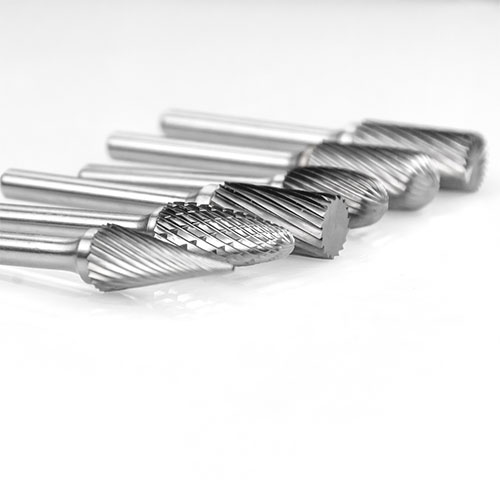
When you're sourcing carbide burrs, this is one of the most overlooked details. Many manufacturers cut corners, literally, by not extending the cutting flutes to the very tip of the burr head. This leaves a smooth, non-cutting "bald spot" at the top. Why does this matter? For a user trying to do a plunge cut or get into a sharp interior corner, that bald spot makes the tool useless. They are forced to use the side of the burr, which causes uneven wear and can damage their project.
I remember working on a metal sculpture and needing to clean up an inside corner. The cheap burr I had just spun uselessly against the material. I had to angle it awkwardly, putting stress on the tool and my hand. A high-quality burr with a fully cut head, like the ones we decided to produce at Fitcarbide, makes these jobs easy and precise. It's a small detail that signals a big difference in quality to an experienced user.
Head Design Comparison
| Feature | Fully Cut Head (High Quality) | Partially Cut Head (Low Quality) |
|---|---|---|
| Plunge Cuts | Excellent | Impossible |
| Corner Access | Reaches tight 90° corners | Cannot reach corners |
| Wear Pattern | Even wear across the head | Heavy wear on the sides only |
| User Experience | Versatile and efficient | Frustrating and limited |
Why Is 100% Tungsten Carbide the Only Material You Should Consider?
Worried about stocking burrs that get dull after just a few uses? Low-quality materials mean poor performance and a bad reputation for your brand. Using 100% virgin tungsten carbide is your quality guarantee.
Only 100% virgin tungsten carbide provides the necessary hardness and heat resistance for longevity. Cheaper alternatives with fillers or recycled materials will dull and break quickly. For sharpness and durability that satisfies customers, pure tungsten carbide is the only reliable choice for the burr's cutting head.
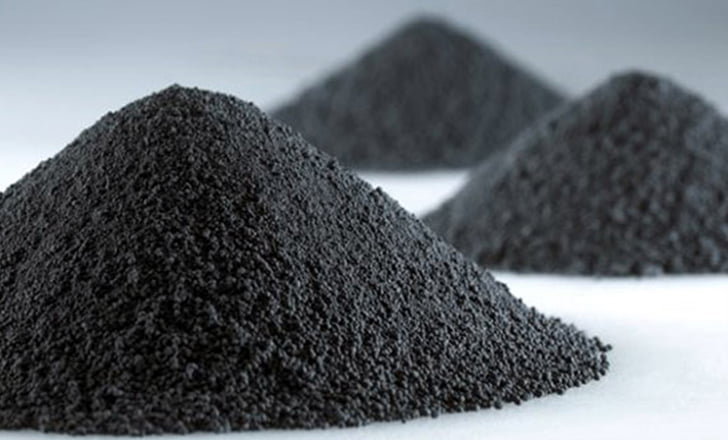
The term "carbide" can be misleading. Some suppliers use it to describe materials that are mixed with fillers or made from lower-grade recycled tungsten. These burrs might look the part, and they are definitely cheaper to produce. The problem is, they just don't perform. Tungsten carbide's main benefit is its incredible hardness, second only to diamond. This hardness allows it to hold a sharp edge while cutting through steel, aluminum, and other tough materials. When you use inferior, mixed, or recycled carbide, you lose that hardness. The cutting edges dull quickly, they overheat, and they can even chip or break under normal use.
As a retailer or wholesaler, this is a direct threat to your business. A customer who buys a burr that fails quickly won't blame the material; they'll blame you for selling a bad product. That's why we at Fitcarbide committed to using only 100% virgin tungsten carbide. It costs more to source, but the performance and durability are unmatched. It ensures that every burr is sharp, strong, and reliable. This protects your reputation and leads to repeat business.
Material Quality Breakdown
| Property | 100% Virgin Tungsten Carbide | Recycled or Mixed Carbide |
|---|---|---|
| Hardness | Extremely High | Moderate to Low |
| Heat Resistance | Excellent | Poor |
| Edge Retention | Stays sharp for a long time | Dulls very quickly |
| Customer Satisfaction | High (Reliable performance) | Low (Prone to failure) |
Does the Welding Method Really Matter for Carbide Burr Durability?
Have you ever seen a burr head snap clean off its shank? This is a massive safety risk and a dead giveaway of poor manufacturing. The weld joint is often the weakest link, and you can't ignore it.
Absolutely. Silver welding creates a stronger, more flexible bond between the carbide head and the steel shank compared to cheaper copper brazing. This joint can withstand more vibration and heat, drastically reducing the risk of the head breaking off during use, ensuring both safety and tool longevity.
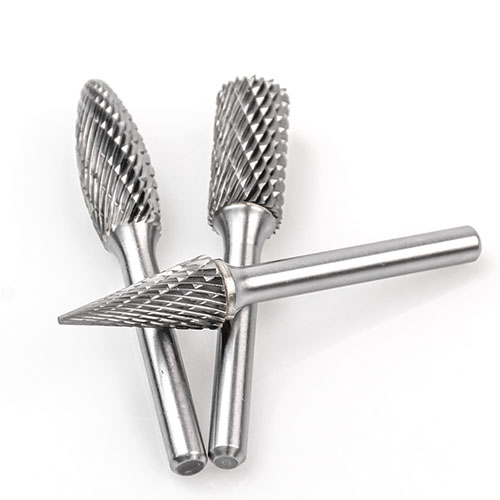
The point where the hard tungsten carbide head meets the steel shank is under incredible stress. During use, it endures high-speed rotation, intense vibration, and significant heat. A weak joint will fail here. The most common and cheapest method for joining these two parts is copper brazing. It works, but copper has a lower melting point and creates a more brittle bond. When the tool gets hot, the copper-brazed joint can weaken and fail catastrophically. The head can literally fly off, creating a dangerous projectile.
This is why we insist on a more advanced silver welding process. Silver has a higher melting point and creates a bond that is not only strong but also more ductile, meaning it can absorb vibration instead of cracking. I once had a cheap, copper-brazed burr fail on me. The head didn't fly off, but it came loose and started vibrating violently. It was a scary moment and ruined my workpiece. For your customers' safety and your own peace of mind, ensuring your supplier uses a superior welding technique like silver welding is non-negotiable.
Welding Technique Comparison
| Factor | Silver Welding | Copper Brazing (Standard) |
|---|---|---|
| Bond Strength | Very High | Moderate |
| Vibration Resistance | Excellent | Poor |
| Safety | High (Low risk of failure) | Low (High risk of head detachment) |
| Cost | Higher | Lower |
-
For example, we added an anti-skid design to our shanks. It's a simple feature, just a slight texture on the steel shank. But it provides a much better grip inside the collet of a rotary tool. This prevents the burr from slipping at high RPMs, which improves control, precision, and safety for the user. It's a small thing, but it shows that we care about performance from start to finish. When you see a supplier focusing on these small but meaningful details, it's a strong sign that they are committed to quality across their entire product line. This is the kind of partner you want.
Supplier Quality Checklist
| Quality Indicator | What to Look For | Why It Matters |
|---|---|---|
| Material Transparency | Confirms use of 100% virgin tungsten carbide | Guarantees hardness and durability |
| Welding Technique | Specifies silver welding or equivalent | Ensures safety and joint strength |
| Head Design | Flutes are cut fully to the top | Provides maximum versatility and function |
| Shank Finish | Features like an anti-skid design | Improves user control and safety |
Conclusion
In summary, the best carbide burr maintenance starts before you even use the tool. Choosing a quality burr from a reliable supplier saves you time, money, and protects your reputation.
---