
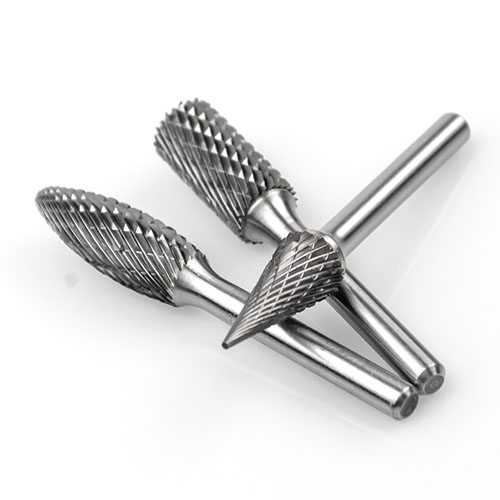
Safety Requirements of Carbide Burrs
Carbide burrs are exceptional rotary cutting tools designed for deburring, shaping, grinding, and finishing materials such as metal, wood, plastic, stone, and ceramics. Their unmatched hardness and durability make them indispensable in industries like metal fabrication, automotive repair, aerospace engineering, jewelry making, and woodworking. However, due to their high-speed operation and sharp cutting edges, using carbide burrs without proper safety practices can lead to injury and damage. At **FitCarbidePro.com**, safety is our top priority. This complete guide details the essential safety requirements for using carbide burrs, so you can enhance your work quality while preventing accidents.
—
## Why Is Safety Important with Carbide Burrs?
While **carbide burrs** offer accuracy and efficiency, improper use or neglecting safety regulations can result in issues such as:
– **Eye and face injuries from flying debris**
– **Tool breakage leading to projectiles**
– **Hand and finger injuries from slips or unexpected tool movement**
– **Respiratory hazards from fine dust and chips**
– **Damage to workpieces or rotary tools**
Prioritizing safety ensures not only your well-being but also the longevity and performance of your tools.
—
## 1. Personal Protective Equipment (PPE) – Your First Line of Defense
Never operate carbide burrs without the appropriate PPE. The minimum recommended gear includes:
– **Safety Goggles or Face Shields:** Protects eyes from high-speed chips, dust, and microscopic particles.
– **Protective Gloves:** Reduces risk of cuts or abrasions if hands brush against the burr’s sharp flutes.
– **Hearing Protection:** Burrs and die grinders can exceed safe noise limits; always wear earplugs or earmuffs.
– **Dust Masks or Respirators:** Essential when working on materials that generate hazardous dust (e.g., fiberglass, metals).
– **Protective Clothing:** Wear snug-fitting garments. Avoid loose sleeves, jewelry, and tie back long hair to minimize entanglement risk.
—
## 2. Tool Preparation & Inspection
Before each use:
– **Inspect the Burr:** Check for wear, damage, or chipping. Do not use burrs showing excessive wear or cracks.
– **Secure the Burr Properly:** Insert the shank fully into the collet or chuck of the die grinder/rotary tool. Tighten securely to avoid vibration or runout during operation.
– **Verify Tool Compatibility:** Ensure your rotary tool’s speed and power specifications match the burr’s recommended parameters.
—
## 3. Operating Safely – Key Rules for Burr Usage
### a) Follow Correct Speed Ratings
Operating at the wrong RPM is a leading cause of tool failure and accident. Always observe these:
– **Observe Manufacturer’s Guidelines:** Every carbide burr comes with a recommended RPM range. Exceeding it can cause heat buildup or catastrophic breakage.
– **Do Not Guess:** If unsure, check [FitCarbidePro’s Speed Chart](https://fitcarbidepro.com/blog) for guidance.
### b) Secure the Workpiece
– **Clamp Your Material:** Prevent movement by securing the workpiece firmly to your bench or workspace. This reduces the risk of slipping and accidental injury.
– **Avoid Hand-Holding Small Parts:** Use a vise or jig so your hands stay clear of the burr.
### c) Maintain Firm Tool Control
– **Hold the Tool Steadily:** Both hands should grip the tool, especially on high-powered grinders.
– **Avoid Sudden Movement:** Feed the burr gently into the material. Aggressive pushing can bind the burr and cause kickback.
—
## 4. Safe Operating Practices
– **Never Touch a Spinning Burr:** Always wait until the tool comes to a full stop before making contact.
– **Keep Others Clear:** Maintain a safe buffer zone to protect nearby workers or bystanders.
– **Watch for Overheating:** If the burr or workpiece becomes excessively hot, pause to allow cooling, or adjust speed and pressure.
– **Clean as You Go:** Remove chips and dust frequently to improve visibility and reduce inhalation risks.
—
## 5. Tool Maintenance and Storage
Proper care after use is essential for safety and tool life:
– **Clean the Burr:** Use a brush or ultrasonic cleaner to remove residual material. Clogged flutes can overheat and cause chatter.
– **Inspect After Use:** Look for damage or dullness. Replace burrs that are chipped or excessively worn.
– **Store Safely:** Place burrs in a protective case—sharp edges can injure, and impacts can damage cutting geometry.
—
## 6. Common Safety Mistakes and How to Avoid Them
– **Ignoring PPE:** Even short or light jobs require safety gear.
– **Running at Maximum Speed:** Not all burr sizes are rated for top tool speed; know your equipment.
– **Applying Excessive Pressure:** Let the burr do the cutting—forcing can cause breakage.
– **Using a Damaged Burr:** Chipped tools increase the risk of tool failure and poor work quality.
– **Improper Setup:** A poorly clamped workpiece or loose burr can cause severe accidents.
—
## 7. Workplace Environment
Maintain a safe working environment:
– **Adequate Lighting:** Reduces mistakes and accidents.
– **Ventilation:** Essential when working with metals, composites, or resins that release harmful particles.
– **Clean Workspace:** Keep cords out of walkways, clear away unnecessary clutter, and mark hazardous areas.
—
## 8. Specific Considerations for Different Materials
– **Metals:** Watch for hot chips; always direct sparks away from yourself and others.
– **Wood & Plastics:** Risk of melting and burning—use the right burr shape and speed, and always contain dust.
– **Stone & Glass:** Use water or dust extraction to contain fine silica dust.
—
## Why Safety with FitCarbidePro Burrs?
FitCarbidePro burrs are engineered for safety—with balanced construction, shatter-resistant carbide, and consistent quality control. When partnered with smart safety practices, our burrs deliver professional results with minimal risk.
—
## Final Thoughts: Work Smarter and Safer
Safety is non-negotiable. By respecting the power of carbide burrs and following these safety requirements, you safeguard yourself, your coworkers, and your investment in quality tools. Always consult your tool manual and reach out to [FitCarbidePro.com](https://fitcarbidepro.com/contact) for further safety advice or tool selection support.
**Ready for a safer, superior cutting experience? [Shop our range of premium, safe carbide burrs here](https://fitcarbidepro.com/shop) and join the professionals who trust FitCarbidePro!**
—
**Keywords:** safety requirements of carbide burrs, carbide burr safety tips, PPE for carbide burrs, rotary tool safety, die grinder burr precautions, use carbide burr safely, FitCarbidePro
—
*FitCarbidePro—Delivering Safety, Precision, and Confidence with Every Cut.*